Showing posts with label food. Show all posts

Thursday, January 22, 2009

Meredith's Best Of Valpo

Well, everyone, my transitional state has me in an overly introspective mood as of late. Then, when I'm not being pensive, I'm running around trying to visit everyone I know in a 4 or 5 state area (not as bad as it sounds, I'm from New England), and both unpacking from Chile and re-packing for California.....which involves going through many storage boxes. All this combined leads to a substantial lack of interest in posting on the blog. I refer you to my previously flawless record of regular posting and thank you for your patience as I get my life rearranged.


In the meantime, I present to you: Meredith's Official Best of Valparaiso, Chile!


Food and Drink


Best budget dinner restaurant: Epif, international-style vegetarian food on Cerro Alegre


Best pricey dinner restaurant: Concepcion, cuisine nouveau, Calle Papudo on, you guessed it, Cerro Concepcion. Sit outside in the garden in the summer.


Best dinner with a view: Cafe Turri, Cerro Concepcion. Reserve a specific table for a good view, and don't forget to order the house cocktail, it's incredible.


Best lunch, full menu: Natur-In, Calle Condell, near Plaza O'Higgins (walk up Uruguay and take a right, it'll be on your left, big wooden door). Vegetarian, three course menu for 1,200, coming in at 2,000 if you order one of their delicious fresh juices (recommended).


Best quick & cheap lunch (and dinner): El Sandwich Cubano, Plaza Intendencia (kitty-corner from Lider). Get the Moros y Cristianos plate, it's the best thing on the menu and also the best deal.


Best (in that it is the only) place to eat on a Sunday: Allegretto, good pizzas and drafts, open late.


Best seafood: Any of the small shops near the fish market in the port.


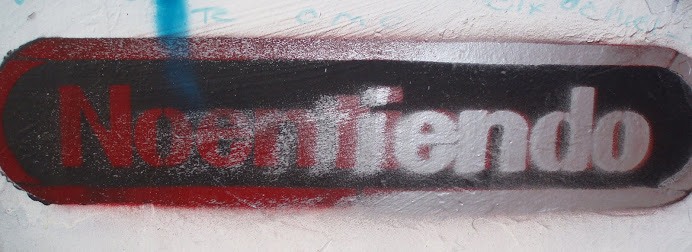
Best sushi: Kookai, Plaza Victoria--actually owned by Japanese people, and graced by this sign:


Best salad: Mora, a bit down from El Sandwich Cubano in the direction of Lider.


Best ice-cream: The stand in the front section of the wood-facade restaurant in Plaza Anibal Pinto.


Best fruit wine: No, not sangria--fruit blended with wine. Tie between Barposeia and Ritual, side by side on Almironte Montt by Plaza Anibal Pinto.


Best tea menu: Cafe con Letras, Almironte Montt, Cerro Alegre.


Best coffee: Puro Cafe, Plaza Victoria. Just watch out: they claim to have wireless, but it never works.


Best scary, knock-you-down drink: El Suicidio, Pub Matiz, which oddly enough has two locations directly opposite one another on Subida Ecuador.


Best place to get a beer in the afternoon: "The Place With The Mean Waitresses," as dubbed by Elisa and myself: walk up Bellavista towards Subida Ecuador. It's on your left with a typical Fuente de Soda menu. You'll recognize it by a neon sign on the back wall that says "Chiloe," two TVs that are never playing the same thing, a jukebox, and a whole lot of old men lounging around with liters and cigarettes. Not recommended as a solo venture, but two drinking girls can have a nice time chatting and disrupting social conventions. Don't forget to order a liter each.


Nightlife


Best free evening (indoor) entertainment: Wednesday and Thursday nights at Boliche, Calle Cummings (as of my last residency, a great band and a comedy musical performance, respectively)


Best paid evening entertainment: Events at Teatro Mauri, Avenida Alemania


Best cultural events: Programming at La Sebastiana, Cerro Bellavista


Best club: La Sala, Port District, just ask someone for directions. I don't go to clubs unless I'm drunk enough to dance, which also means too drunk to pay attention to where exactly I am.


Best cafe-style bar: Pajaritos, Calle Donoso.


Best movie house: Cine Insomnia, Calle Condell


Best combo deal: Combo 1 at Coyote Quemado, Subida Ecuador: 1 taco, 1 shot of tequila, and 1 beer for 1 mil.


Best place for a cheap vodka: Abasto, Calle Cummings, next to the Ascensor La Reina. Don't let the 800 teenage fleites hanging out on the Ascensor's steps put you off, just wade through them and head on in, the bar's got a bouncer.


Best place for a terremoto: Bitacura, Calle Cummings, serves up a large and inexpensive pitcher of this pineapple-ice cream-alcohol concoction.


Best place for an expensive cocktail: El Trole, Calle Cummings, where you can sit in an old trolley and enjoy a nice atmosphere. Completely empty until at least 12:30.


Best bet for a late night snack: Otra Cosa, Almirante Montt, at Plaza Anibal Pinto. They always seem to be open and have dozens of different kinds of empanadas, some vegetarian, as well as completos and other such things.


Best live music: Wander around the Port district and you'll find lots of shows.


Best over-all entertainment: The festivals!


Best advice:Don't walk up stairway pasajes at night!


Tourist Jaunts


Best quirky spot to visit: Cemeterio Playa Ancha, with its hand-constructed budget pseudo-mausoleums. Don't miss the grave of Emile Dubois, Valpo's own unofficial saint, in the uphill right corner in the home-made section of the cemetary.


Best real-neighborhood walking tour: Cerros Polanco and Baron


Best cultural walking tour: Up and around Cerros Alegre and Concepcion, and don't forget the passageways. Then head up Almironte Montt to the circular shaped square and take a left onto Avenida Alemania. Enjoy the views and the various monuments as you make your way to Cerro Bellavista. Turn left on Calle Florida and visit Pablo Neruda's house, La Sebastiana. Head down Cerro Bellavista, keeping to the right of the church, and wander the not-spectacular but satisfactory Museo a Cielo Abierto. Head down Ascensor Espiritu Santo, turn left on Calle Condell and visit the oh-so-strange museum of natural history.


Best day trip: Hiking Cerro La Campana (accesible by public transit)


Best near-by camping: Laguna Verde--neither a Laguna, nor Verde, but a great secluded beach. Catch a bus in front of Lider heading south, go past the actual town of Laguna Verde (ask the driver to let you off on the road to the lighthouse). ASK FOR DIRECTIONS when you get there on how to get to the beach, and don't trust small children (see linked post).


Best beach: I prefer the third beach north in Vina.


Best thing to do on a Sunday: Check out the antique/flea market in Plaza O'Higgins.


Best views of the city: Cerros Artilleria and Baron.


Goods and Services


Best laundry for the best price: Jerusalem, Plaza Anibal Pinto, middle portico in the large ugly gray building.


Best place to use Skype: Cerro @legre, Calle Urriola. Good connection, good headsets, and best of all, quiet--no gamers.


Best place to sit for hours using wireless, having ordered only one cup of tea: Desayunador, Cerro Alegre, Almironte Montt on the corner of Urriola. The wait staff is hard to flag down, but they also won't bother you even if you're there for 6 hours. Even better, all the booths are next to outlets and no one minds if you plug in.


Best used clothing: Calle Condell, on the right heading into the pedestrian portion of Subida Equador. Unsure of the name, but you'll see the racks of clothes. There's some decent stuff in there, particularly if you're heading to a theme party.


Best new clothing: Unfortunately, you'll have to head to the---ugh---mall in Vina if you need something nice. Take a bus marked Libertad and get off at 18 Norte, you'll see it. If you have the time, sometimes decent things can be found in Ripley (Plaza Victoria) or Polar (Avenida Argentina), and they'll be much cheaper than the mall.


Best multi-lingual bookstore: At the very bottom of Calle Cummings, at the corner with Plaza Anibal Pinto.


Best kept financial secret: Banks close at 2pm, but you can also cash checks from many Chilean banks at ServiPag (best office is in the financial district, ask which street as I can't recall).


Best place for cheap produce: The market house, near the end of Avenida Brasil, and the Saturday markets on Avenida Argentina and in the port.


Best place to buy fish: The fish market in the port. There is no fish, repeat no fish, in the supermarket (Lider).


Best place to buy anything under the sun, for cheap: Avenida Argentina, Saturdays and Sundays.


Best place to buy cheap bags and luggage: Walking from Plaza Victoria towards the Terminal de Bus on Pedro Montt, a few blocks up on the left side, is a place with medium sized backpacks for 2mil, small suitcases for 4, etc.


Best deal on a bus to Argentina: Cata, cleverly hidden on the second floor of the Terminal de Bus.


Best place to rent a car: Walk along Calle Independencia near Plaza O'Higgins, there are several rental places. An economy car can be rented for 16.000 a day.


Best way to find an apartment: Walk around the neighborhood and look for signs in the windows; avoid rental agencies.

Saturday, November 22, 2008

Country mouse goes to the big city

Early last Saturday morning I found myself, bleary eyed from an open-bar wedding reception the night before, adrift in Santiago. If I had not been deprived of my crashing surface, I most likely would have slept another 3 or 4 hours. Nonetheless, I was in the capital and determined to make use of it, as tempting as a nice bus seat sounded.

Valparaiso is my heart in Chile. The common expression is "Santiago is Chile," which makes sense: a huge percentage of the population lives there, and nearly all commerce is located there. For me, though, Valparaiso is Chile. I could not imagine leaving my home here and staying in the country. Nonetheless, there are drawbacks to everything. I love my small Chilean city, but it is a small Chilean city. There are things that just can't be found here.

Even Santiago is a little bereft in the museum department, so I decided to skip out on that particular commodity. No, I was out to be a consumer of the first degree. With that in mind, I got off the metro at La Moneda and beelined to Starbucks.

It's an interesting phenomenon. In the US, Starbucks is my enemy: the gobbler of small, beloved coffee shops. For a time in high school, nearly everyone on the staff of one particular Starbucks was a good friend of mine, and we used to throw parties in their back room and basement purely out of spite. Fact of the matter remains, when abroad, Starbucks is the only place where North American-style drip coffee can be found. It seems that the rest of the world thinks it tastes like "sock juice," to quote a French person I spoke to about the matter, or something else of the same degree. I remain resistant to international pressure and I still think with longing about my free days in the States, which always involved the paper, a crossword puzzle, and an entire pot of coffee. So it is that whenever I come across a Starbucks while in another country, it brightens my life just a tad. This can be witnessed by this photo of me, taken in Christchurch, NZ:


It had been months since I'd been in a city, and my traveling companion, the lovely Argentinian Florencia, was so amused by my reaction that she needed to document it.

Returning to last Saturday. I bought myself a gigantic cup of coffee and sat reading my book and eating a croissant. As my hangover cleared a bit, I was able to navigate my way to the counter once again. I purchased a large French press and a pound of ground coffee. If I can dig up my crossword puzzle book from the plane last February, my next day off will be a delight.


It was very strange to be in a North American institution. As is the Starbucks way, everything is standardized, so the store was decked out in Christmas decorations and resounding with carols. Nevermind that Chileans are not overly excited by Christmas, nor can they spell the word in English.


It was strange to be sitting in air-conditioning, wearing a t-shirt, surrounded by red and green ornamentation. My Chilean friends tell me that it is odd even for them, having at this point absorbed much of the northern imagery associated with the holiday. "How bizarre," they tell me, "to have Santa Claus walking around in furs in 80 degree weather!" This will be my first Southern hemisphere Christmas, and I will be missing the snows of Boston.


From Starbucks, I headed to Patronato. The night before, I had advised the mother of an acquaintance that I had this intention. She was accepting, but concerned. "You need to go with only one small purse, and have it all the way up on your shoulder and under your arm."

She also told me not to walk around obliviously, and demonstrated with a duck-footed, wide-eyed pantomime.


As always, I give little creedence to Chilean prophecies of doom. The populace has been inundated with documentaries about the peligro that lurks around every corner, and they have become a country of truly paranoid people. Earlier that same day, a co-worker had told me that she was afraid to go to Santiago, and advised me that the thiefs and robbers that abound there can spot a non-Santaguino from a mile away. One thing that both the acquaintance's mother and my coworker had right was that appearance truly is everything. One thing they've got wrong is the idea that extranjeras don't know how to put off a potential robber.


I grew up in the suburbs of Boston: hardly risky territory. Nonetheless, I have one fierce lady for a mother, and she grew up near the projects in the Bronx. So, despite my tranquilo New England childhood surroundings, I consider myself a trainee in street-smarts from an early age. Two of the most important things that my mother taught me were to always appear confident and to never seem lost. This is why you will be the one to ask for directions if you are ever in my company, because I won't do it. I also won't pause too long at street signs, or consult a map. If I do truly lose my way and absolutely must ask, I do so with a mannerism of "I just can't seem to remember where I put my glasses, silly me." I add to all of these internal rules a permanently irritated and busy expression, a death grip on my bag, and to this day I have yet to be robbed anywhere in the world (despite one or few attempts). I've probably scared off more than a few potential friends but, such is life.


This is how I hit Patronato. The district, particularly on a sunny Saturday, is packed to the point where it mimics the feeling of standing in a long line. This is because the streets are lined with shops and stalls selling mountains of cheap imported clothing.


Still somewhat dazed, toting my French press, I slowly shuffled up and down the streets in the molasses-like crowd. After a very short while, I became very uncomfortable, but not from claustrophobia. The climate in my coastal city is very temperate, much like San Francisco in the United States. Its temperatures swing on a very small scale throughout the year, always hovering around a median of about 65 Fahrenheit. Santiago, meanwhile, lies within the valley between the coastal cordillera and the Andes. Sharing the same topography as cities such as Sacramento, it reaches much cooler temperatures in winter, with occasional snow. By the same token, it can be broiling in summer. As spring moves along towards the next season, it is beginning to get toasty in the valley. In my long pants and t-shirt, I found myself uncomfortably over-dressed.
Not to worry, this is Patronato. I stopped at the first store that had something cute in the window. Luckily, they had a curtain behind which customers could try on clothes, a luxury in these stores. I entered and put on the sundress I'd chosen. Like all cheap clothing, it required a bit of rearrangement and strap MacGuivering, but five minutes later I left the store 6,000 pesos poorer and infinitely more comfortable, with my coastal clothes stuffed into my shoulder bag.

Other than this, though, I simply couldn't summon the energy necessary for a full Patronato day. Like shopping at a Salvation Army in the US, a successful trip to Patronato requires drive, a discerning eye, and a good amount of time. Last Saturday was not the day for any of this. I was in pursuit of a bigger fish: Missing Ingredients.


Along with its other imports, Barrio Patronato also hosts several well-stocked Korean and Chinese markets. After several wrong turns and yes, even asking for directions, I finally located them. I joyfully texted every living soul I knew in Valpo and picked up a few favors for friends while stocking my own carts. As a cooking enthusiast who favors Asian and Mediteranean foods, there is no shopping spree more delicious than an hour in Asian markets after months and months of supermarkets that consider cheddar cheese too flavorful to stock.

After reaching my limit at about 20 kilos of sauces and spices to carry, I treated myself to the first falafel I've had in months, and then headed wearily but happily to my friend Nereida's house in Providencia. A few pleasant hours later, I was back on the bus, speeding towards Valparaiso at exactly 98 kilometers per hour, as I was advised by the streaming satelite information displayed at the front of every bus.

I could not live in Santiago, I will not lie. It is huge and sprawling; congested; covered in smog; and yes, sometimes dangerous. I would miss my ocean and my seagulls, my hills and my colored houses. Nonetheless, its proximity to Valpo is nothing but a benefit. After months in the regions, even riding the uncomfortably packed metro feels like a refreshing taste of the outside world. It is easy to ensconce oneself in Valpo; the layout of the city almost demands it, clustering the way it does around its enclosed bay. But although I love this town where I meet someone I know at every corner, there is something wonderful and liberating about large cities, where no one knows a thing about you unless you care to inform them. This is a sensation I miss, and one I will seek out more often as I continue to settle here in Chile.

Wednesday, October 15, 2008

Flavor in Chile: Si, se puede!

Whoever named the chili pepper was definitely not making any reference to Chile, despite the fact that in certain languages the two words are spelled the same.

A week or two ago, I was cooking for friends, as I love to do. I was making a large stir fry that I knew would turn out spicy. Nearly everything that I cook turns out spicy--I spent three years cooking with a man who isn't happy unless he's sweating and turning colors. Ergo, my estimation of "quite spicy" is on par with most people's "inedible." My "spicy" is "on the edge of tolerance," to quote a friend.

One of my roommates, a chileno, hates spicy food. This is very much the norm: in fact, if you are living in this country, you may have read that sentence as redundant. Of course this is not the case with everyone, as I have at least two chileno friends who love spice, but otherwise it's pretty much the rule.

While cooking, I decided that I would make the sauce on the side in a special gesture in order to include my roommate. Just before the stirfry was finished, I took out vegetables for him and sent him a nice plate with rice via our third roommate. She told me later that when he received it, he made a face.

"What is it?" she asked.

"There's ginger in this. It's spicy," he said, wrinkling his nose.

Yes, my roommate is not the nicest of people. Moving on, though: ginger is spicy.

I won't blame you if you're wondering how on earth one can eat normally in a place where that sounds reasonable. It's been a struggle for me, as I've documented in this blog. While living with a family chilena, I felt as if I would die from carb and meat overload (hence my current vegetarian status). Nonetheless, I've found that it is completely possible to live a happy, healthy, flavorful life in Chile. To start, here is a nice dinner that you can easily make with ingredients from Lider (an average supermarket here):

Appetizer: Tomato Garlic Soup (gracias a C. Martinez)

Ingredients:
1 can tomates pelados (size depending on people invited)
2 cloves garlic, sliced thin
2 bay leaves
small handfull of fresh basil
Aji sauce from the jar, to taste
Boiling water

Directions:
In a small saucepan, saute the tomatoes for a few minutes, and add about a cup of water. Stir in the garlic, the bay leaves, the basil, and the aji. Cook until with water boils off, and then add more. Repeat for approximately 45 minutes.

Side Dish: Potatoes and Carrots in Honey Garlic Sauce

Ingredients:
Potatoes and carrots, to fit size of group, sliced thin and diced into small pieces
a few tablespoons of oil
1 vegetable bouillon cube
1 1/2 cups boiling water
1/4 cup honey
a few tablespoons of soy sauce
2-ish tablespoons of white wine vinegar
1 of those mini limes, juiced
Cornstarch (if you can find it) or some other thickener (if you can find it)
2 small cloves garlic, minced
1 fresh aji, minced (optional)

Directions:
Boil the water with the bouillon cube. Once done, remove from heat. If you've got a thickener, add about a tablespoon and mix well. If not, don't worry about it. I put in a tablespoon of flour and it worked out fine, so no worries! Then, add the honey, soy sauce, vinegar, and lime. Use a whisk or a fork to mix well. In another pan, saute the garlic and aji in oil for about a minute on low heat--don't brown the garlic. Add this to the other ingredients and simmer. Meanwhile, heat a bit more oil and saute the potatoes and carrots until just about cooked. At the end, add the sauce and stir until it has thickened around the vegetables.

Main Dish: Indian Stew with Couscous
Group 1:
2 medium onions, diced
Group 2:
3 cloves garlic, minced
1/2 inch fresh ginger, minced
2 large green ajis, minced
tsp cumin
tsp cinnamon
1/2 tsp cardamom (this takes a bit of searching (in Chile, of course)...try Jumbo, or Korean shops if you're lucky enough to live near them)
1 tbsp salt or soy sauce
large pinch of saffron (obviously optional given the price)
Group 3:
1/2 cup squeezed orange and grapefruit juice (I squeezed about 4 oranges and 1 pomelo)
4 eggplants, roasted for 1/2 hour, then cubed
Group 4:
2 green and 1 red bell pepper, diced
1 large slice zapallo, cubed
4 medium carrots, sliced thin and then diced
1 medium size can of tomates pelados
1/2 cup or so of water
Finals:
Couscous (or rice)
Fresh basil
Yoghurt natural

Instructions:
Stick the eggplants in the oven at about 350 degrees, halfed, while you're slicing the other veggies.

When you're prepared, saute the onions in oil until transparent. Then add Group Two and saute for about one minute. Transfer from the pan to a large sauce dish. Add Group 3, mixing well so that the spices coat everything. Simmer for about 8 minutes. Add Group 4, adjusting the level of water to allow enough to cook for a while without sticking but without drowning the thing. Simmer (covered) for about 20 minutes, or until the zapallo is soft. Stir every few minutes to move things from top to bottom. Prepare the couscous or rice meanwhile (read the box). About 5 minutes before the end, add a handful of torn basil, and mix in well. When all the veggies are well cooked, serve over the couscous with a 'dollop' (don't you love that word?) of yoghurt.

This may all sound very complicated. However, it's really not when you get to it. I find cooking quite relaxing. If you don't, be content in the fact that the Indian Stew will give you enough servings to eat for ages, if you don't invite 4-6 guests the first time round. You can also easily make as much as you like of the other two dishes, giving you a fridge full of delicious, flavorful, vegetarian food. When you think about how much you have to pay for such a luxury at a chilean restaurant, it works out quite well.

I also recommend that you indulge in our wonderful abilty in Chile to buy good wine at cheap prices, and enjoy a bottle with a friend while cooking.

If you enjoy these recipes, let me know, and I'll add more!

Wednesday, September 3, 2008

An Ode to Chilean Salads

..yes, really, no sarcasm.

So, as mentioned in the last post, I am going vegetarian. 6 months of hearty meat and potatoes food has left me feeling like every blood cell in my body is running around with a backpack full of unneccesary building material, and I want out. This food is similar to what my German grandmother prefers, and in both her case and in Chile this diet derives from a farming lifestyle. As in, wake up before dawn, eat as much protein and carbs as possible, hit the fields and work non-stop until mid-afternoon, repeat meal, repeat labor, drop into bed and do it all over again.

When I was working as an apple-picker in New Zealand I had a similar lifestyle, which involved filling 4 or more 1000lb bins a day:


Not to mentiontion placing and climbing up a 12 foot ladder with an awkward load of 25lbs of apples.


Now, I couldn't afford a mountain of meat and potatoes at that point, but I did eat just about as much tuna fish and ramen noodles as I could get my hands on....so I understand the protein and carb heavy diet.

These days, though, the most energy I expend at work is writing on a whiteboard and gesturing like a maniac. While tiring, this hardly constitutes manual labor.

As for the rest of the time, I do a lot of walking, sure, but I don't need a farmer's diet. Yesterday, I mentioned this to the host fam. Or rather, they thrust some chicken nuggets at me and I recoiled with my hand over my face squeaking, "No! No! No puedo! No mas!"

Today I came home with slow feet, heavy hearted, not looking forward to my plate of difficult digestion. When I walked in, host-dad was pointing at a covered plate with a sense of urgency. I sat down, lifted the plate and found....a gigantic, fresh salad.

Pure joy. I broke my fast and introduced nutrition back into my life.

The thing is, in the US a salad means a whole heap of lettuce with a couple of other veggies mixed in, then doused in some heavy dressing. I really don't like them that much, I must confess.

Now I realize that lettuce alone may have been keeping me off vegetarianism for years. What a worthless vegetable--no taste, hard to eat, fills up space. And yet I've gone along thinking it was the basis of any salad apart from the fabulous cucumber-and-tomato mediterranean salad. How wrong I was.

In Chile, a salad is a collection of sliced vegetables laid out in a nice spread on a plate. True, if you go to a restaurant that may be sliced vegetable, singular, such as only celery. However, in someone's home, you are likely to get a nice plate. This evening I was treated to half an avocado, a sliced beet, diced potato with oregano, half of a sliced tomato, some steamed broccoli, and a hard-boiled egg. For dressing, you squeeze a lemon over the top and add, as you wish, olive oil, vinegar, and salt. I generally go for just lemon and a bit of salt.

They may not like them as much as I do, or understand why I want to eat them so frequently, but when Chileans do salads they do them right.

Tuesday, September 2, 2008

Breaking Point 1

So, when living in a foreign culture, your environment is, clearly, foreign. Your life is suddenly inundated by a mass of traditions, customs, behaviors, and lifestyles that you must evaluate carefully as you become aware of them. If you don't go through this evaluation process, one consequence is that you will have very little understanding of the experience you are living. The other is that you will never be able to hybridize your foreign self with your new foreign land so that both can lose the "foreign" tag and just become pleasantly different.

Part of this process is picking out the traits in both yourself and your new culture (and the interaction between the two) that you love and want to heighten and encourage. For myself, the first thing to come to mind is the affectionate aspect of the culture here. No, I don't ever see myself calling up a friend and telling her, "te quieeeeeeeero si muuuuucho! beeesooos!!" But I'm all about the kiss hello, the freer use of compliments, and just plain old letting people know that you care about them. I recognize that there's a very reserved aspect of my character that I am slowly abandoning. We gringos tend to be more open with new people than chilenos, but ironically we keep our close friends at more of a distance. Well, chau to that. I'm going sudamericana on this one if I can help it.

Another aspect of this evaluation process is figuring out the "agree-to-disagree" issues. One such example is the piropos as discussed in yesterday's post. Ok, piropos, if no one here minds you you can go about your business....I'm not going to try to convince people that this is a disaster if they don't see it that way. But when I become involved, I reserve my right to respond as I see fit, because it still violates my ideas of moral and respectful behaviour.

The third side of this evaluation, is picking out the things that you simply cannot introduce into your life. Essentially, you need to make rejections. It is all well and good to say that as an immigrant I should go out of my way to accomodate my new culture, and I would say that I and most other internationals worldwide do just that. But there are things that just cannot jive, and there's nothing wrong with that as long as the rejection is made in a respectful way. I have reached the point where I need to make the first of mine. I am stepping down from the chileno diet.

I have been living with a family (as mentioned below) for 6 months, and as part of my rent they feed me three meals a day (although I'm a 2-a-day ticket in general). The food is delicious, absolutely wonderful; the mother is a very talented cook. But this relationship, chilean food and I, well, it's just not working out.

I haven't fully experienced this before in my other foreign travels because no matter how long I lived away, I was still cooking my own food. I'd eat the local cuisine at restaurants and friends' houses, but the majority of my diet was an altered version of what I would eat at home. In my case, this means loads of vegetables and very little red meat or poultry. Plus, of course, the side benefits--I believe in a well-stocked spice cabinet. As a result, I would develop an opinion of the local diet, but never really had to make a decision about it.

Now that I have been totally immersed in a foreign diet, I feel a much greater understanding for my grandmother, who immigrated to the US from the North Sea. She never gave up cooking German food, which she still eats to this day. I thought this was stubborn. Now I see that there are some changes that are just too much to handle, and your internal environment is probably the first area where one might find these.

Consider one example of a meal in my Chilean life (not pictured: soup and bread on the side):


Meanwhile, I live in a country with plentiful, fresh, cheap produce:


For the first few months, going out and supplementing picture number one with picture number two managed to keep me pretty happy. Recently though, I've come to feel so unhealthy that I'm conscious of it pretty much all day long. It's not a cardiovascular thing--the hills here are enough to keep anyone in good shape. It's the extreme overload of calories, particularly given that those calories come in the form of a lot of meat and a lot of carbs. There are two main reactions I've noticed. At times, this diet makes me feel famished all of the time, because even with my vitamins I'm clearly lacking nutrients that I am used to. The second is that sometimes I never feel hungry, and every meal feels like it's following directly on the one I ate previously.

Last week my parents were visiting, and so I ate a lot of restaurant food and drank a lot of wine. I have found that this, on top of 6 months of not-my-kind-of-food, was the breaking point. For years I've played around with vegetarianism but never gone all the way with it. Well, I'm done. Good-bye carne and mountain of potatoes. At the moment I am fasting (family: don't freak out, I do this on occasion and it isn't dangerous) to allow my body to recuperate a bit from the inundation of calories. When I finish my fast at the end of this week, I'm going to cut red meat and poultry out of my diet. For the moment I'm going to hold on to fish, but we'll see.

So Chile and I have had our first real fight, but I'm confident that our new compromise will pull us through.